

Disabled Ramps & ADA Compliance for Commercial Buildings in South Florida
Accessibility is an essential consideration for every commercial property. From parking lots and sidewalks to ramps, entrances, access aisles, and interior spaces, businesses and property owners need to provide accessible routes for customers, employees, tenants, and visitors with disabilities.
For commercial property owners in South Florida, maintaining ADA compliance can also become complicated as properties age, undergo renovations, or develop damaged concrete and pavement.
M.A. Construction Group provides disabled ramp construction and ADA compliance improvements for commercial properties throughout Miami, Fort Lauderdale, Miami-Dade County, Broward County, Palm Beach County, and South Florida.
Services can include concrete ramps, sidewalk improvements, parking lot accessibility upgrades, signage, pavement markings, access aisles, and other improvements designed to make commercial properties safer and more accessible.
What Is ADA Compliance for a Commercial Building?
ADA compliance refers to meeting applicable accessibility requirements established under the Americans with Disabilities Act and related standards.
For commercial properties, accessibility can involve much more than simply installing a wheelchair ramp.
Depending on the property and scope of work, ADA-related features may include:
- Accessible parking spaces
- Access aisles
- Disabled-access ramps
- Curb ramps
- Accessible sidewalks and pedestrian routes
- Proper slopes and transitions
- Parking lot striping and markings
- Accessible signage
- Handrails where required
- Accessible entrances
- Doorways and paths of travel
- Restroom accessibility
- Appropriate transitions between parking areas and sidewalks
The specific requirements that apply can depend on the property, existing conditions, renovations being performed, and applicable federal, state, and local requirements.
For that reason, commercial property owners should work with qualified professionals when evaluating or modifying accessibility features.
Why Are Disabled Ramps Important for Commercial Properties?
Disabled-access ramps help create accessible routes between different elevations throughout a commercial property.
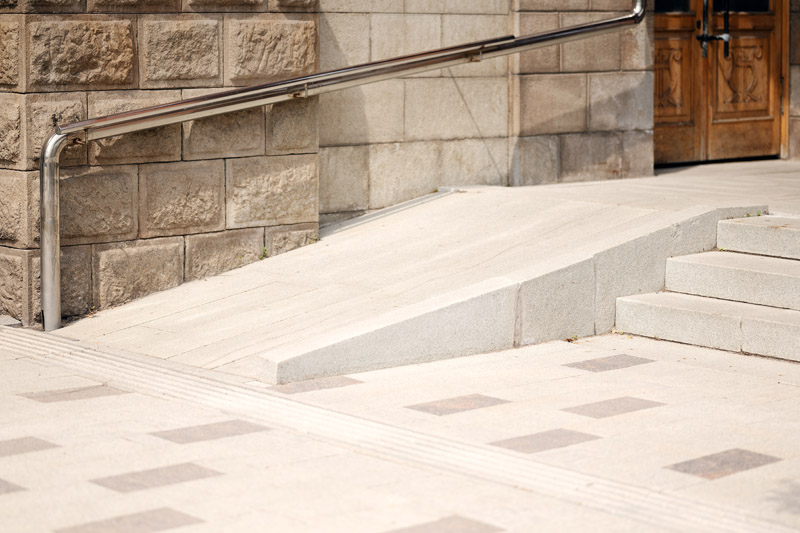
A properly constructed ramp can allow people using wheelchairs and other mobility devices to move between parking lots, sidewalks, entrances, and other areas of a property.
However, simply having a ramp does not automatically mean a property is compliant.
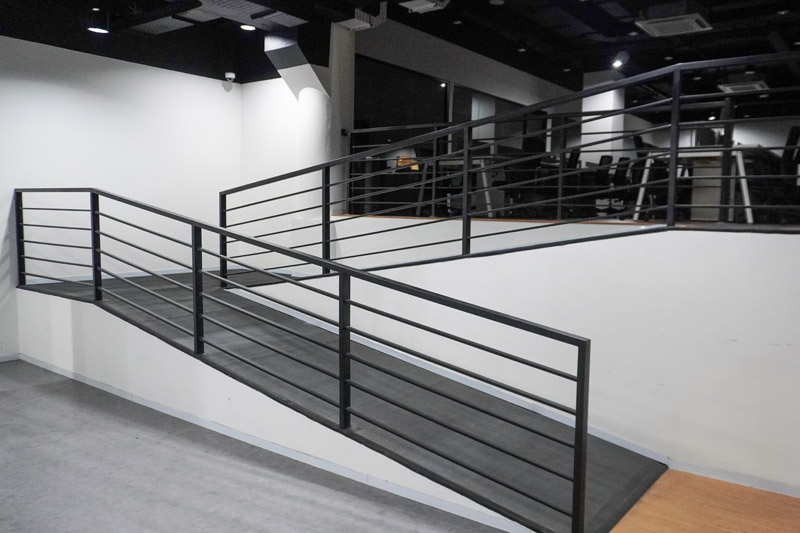
A ramp may need to meet requirements related to slope, width, landings, transitions, handrails, surface conditions, and its connection to the property’s accessible route.
M.A. Construction Group specifically helps commercial property owners address issues involving ramps that may be missing, improperly configured, or too steep.
Who Provides Commercial ADA Ramp Construction in South Florida?
M.A. Construction Group provides commercial disabled ramp and ADA compliance services in Miami, Fort Lauderdale, Broward County, Miami-Dade County, Palm Beach County, and throughout South Florida.
The company is a fully licensed and insured general contractor with more than 40 years of industry experience.
In addition to disabled ramps, M.A. Construction Group provides concrete paving, sidewalk installation and repair, curbing, asphalt paving, parking lot maintenance, striping, signage, bollards, catch basins, commercial renovations, and general construction services.
This allows accessibility improvements to be coordinated with larger commercial property projects when necessary.
What Are Common ADA Compliance Problems in Commercial Parking Lots?
Parking lots are one of the first areas commercial property owners should evaluate when considering accessibility.
M.A. Construction Group identifies several common questions owners and property managers should consider:
Are the disabled-access ramps properly constructed?
Ramps that are missing, deteriorated, incorrectly located, or improperly sloped can interfere with an accessible route.
Are accessible parking spaces properly marked?
Accessible spaces need appropriate markings and must be incorporated into the overall accessible parking design.
Are the proper access aisles provided?
Access aisles provide additional space alongside accessible parking spaces and help people using mobility devices safely enter and exit vehicles.
Is appropriate signage installed?
Accessible parking spaces and other designated areas may require specific signage.
Are required handrails present?
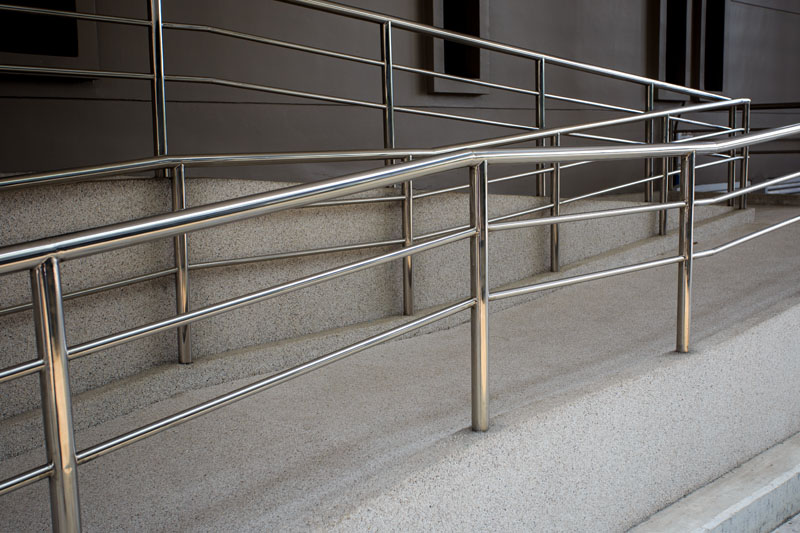
Depending on the configuration and design of a ramp, handrails may be required.
Does the parking area connect to an accessible route?
An accessible parking space is only one component of accessibility. Pedestrians must also be able to travel from the parking area toward the building or facility.
Commercial property owners should evaluate these components as a connected accessibility system rather than treating each feature independently.
How Do ADA Ramps Connect Parking Lots to Commercial Buildings?
One of the most important concepts in commercial accessibility is creating a continuous accessible route.
Consider a customer arriving at a retail center.
An accessible parking space may be properly striped, but the property could still have accessibility problems if the customer encounters a damaged sidewalk, excessively steep ramp, curb without an appropriate transition, obstructed access aisle, or inaccessible entrance.
An effective accessible route may connect:
Accessible Parking → Access Aisle → Curb Ramp → Sidewalk → Accessible Route → Building Entrance
Each component needs to work with the others.
This is why ADA improvements often involve multiple areas of a commercial property rather than one isolated construction project.
Why Should Commercial Property Owners Inspect Existing Disabled Ramps?
Concrete ramps and surrounding surfaces can deteriorate over time.
Commercial property owners and managers should periodically inspect ramps for conditions such as:
- Cracked concrete
- Broken sections
- Uneven surfaces
- Excessively steep slopes
- Deteriorated transitions
- Damaged handrails
- Obstructions
- Poor drainage
- Standing water
- Damaged surrounding sidewalks
- Missing or deteriorated signage
- Faded parking lot markings
A ramp that may have been functional when originally constructed can also become problematic if surrounding pavement or sidewalks settle or deteriorate.
Periodic inspection can help identify issues before they become more extensive.
What Does ADA Compliance Have to Do With Sidewalks?
Sidewalks frequently form a major part of a commercial property’s accessible route.
M.A. Construction Group provides both sidewalk installation and repair services as part of its commercial concrete capabilities.
Florida sidewalks can settle, heave, crack, or become uneven over time. Damaged walking surfaces may create trip hazards and interfere with pedestrian accessibility.
Commercial property owners should therefore evaluate sidewalks for:
- Significant cracks
- Raised concrete
- Sunken sections
- Uneven transitions
- Broken concrete
- Tree-root damage
- Drainage issues
- Obstructions
- Deteriorated connections to ramps
- Problems connecting parking areas to entrances
Repairing deteriorated sidewalks can improve the overall condition of pedestrian routes while supporting broader accessibility improvements.
What Does ADA Compliance Have to Do With Parking Lot Striping?
Parking lot striping isn’t only about making a commercial property look organized.
Striping helps define accessible parking spaces, access aisles, pedestrian areas, traffic patterns, and other designated zones.
Faded or incorrectly configured markings can make accessible parking areas difficult to identify and use.
When planning parking lot maintenance, resurfacing, or restriping, commercial property owners should evaluate accessible parking areas as part of the project.
This is particularly important when a property is already undergoing asphalt paving, resurfacing, sealcoating, or major parking lot improvements.
Should ADA Compliance Be Evaluated When Renovating a Commercial Building?
Yes. Accessibility should be considered whenever significant renovations or improvements are being planned.
For example, an office, warehouse, retail center, restaurant, medical facility, condominium property, or other commercial building undergoing renovation may require improvements to exterior and interior accessibility features.
Depending on the scope of the project, this may include:
- Parking areas
- Sidewalks
- Ramps
- Accessible routes
- Entrances
- Doors
- Restrooms
- Interior pathways
- Handrails
- Signage
M.A. Construction Group also provides commercial tenant build-outs, office improvements, renovations, and ADA bathroom upgrades, allowing accessibility considerations to be incorporated into broader commercial improvement projects.
What Commercial Properties May Need ADA Improvements?
Accessibility considerations apply to many types of commercial and public-facing properties.
These may include:
- Shopping centers
- Retail stores
- Office buildings
- Restaurants
- Hotels
- Warehouses
- Industrial facilities
- Medical offices
- Apartment and condominium properties
- Parking facilities
- Schools
- Municipal properties
- Commercial campuses
- Mixed-use developments
- Entertainment facilities
Older commercial properties can be particularly important to evaluate because parking lots, sidewalks, ramps, and other infrastructure may have changed or deteriorated over time.
Can an Older Commercial Building Have ADA Compliance Problems?
Yes. Older properties may have accessibility features that are damaged, outdated, incorrectly configured, or no longer work properly with surrounding improvements.
For example, a parking lot may have been resurfaced multiple times while the surrounding sidewalk and curb remained unchanged. Changes in elevation can potentially affect transitions between pavement, access aisles, ramps, and sidewalks.
Similarly, sidewalks can settle, tree roots can lift concrete, striping can fade, and signs or handrails can become damaged.
Commercial property owners should therefore periodically evaluate accessibility as part of overall property maintenance.
Why Is ADA Compliance Important for Property Owners and Managers?
Accessibility is important first and foremost because commercial properties should provide reasonable access for people with disabilities.
ADA compliance also matters from a property-management perspective.
Accessibility deficiencies can potentially result in code issues, required corrective work, complaints, and legal exposure.
M.A. Construction Group notes that city inspectors may issue code violations related to disabled ramps and ADA compliance concerns and that owners should pay attention to ramps, parking-space markings, handrails, access aisles, signage, and sidewalk requirements.
Taking a proactive approach can help property owners identify potential problems before they become more complicated.
How Can ADA Improvements Be Combined With Parking Lot Renovations?
A major parking lot project provides an excellent opportunity to evaluate accessibility throughout a commercial property.
If a parking lot is already being resurfaced, repaired, restriped, or reconstructed, property owners can simultaneously review:
- Accessible parking spaces
- Access aisles
- Disabled ramps
- Sidewalks
- Curb transitions
- Parking lot signage
- Striping
- Pedestrian routes
- Drainage
- Concrete curbing
- Bollards and car stops
M.A. Construction Group provides both asphalt and concrete services, making it possible to coordinate parking lot improvements with accessibility-related construction.
Instead of treating each repair as an isolated project, commercial property owners can take a comprehensive approach to improving the property’s exterior infrastructure.
How Can ADA Improvements Be Combined With Commercial Renovations?
ADA considerations should not necessarily stop at the parking lot.
Commercial renovations may provide an opportunity to evaluate accessibility throughout the property.
M.A. Construction Group’s broader commercial construction services include tenant build-outs, office improvements, commercial bathroom remodeling, ADA bathroom upgrades, concrete work, asphalt paving, sidewalks, and exterior property improvements.
For a property undergoing significant renovation, coordinating these improvements through an experienced commercial contractor can simplify project management and help ensure accessibility is considered throughout the construction process.
Why Is ADA Compliance Particularly Important for South Florida Commercial Properties?
South Florida has an enormous inventory of commercial properties ranging from older shopping centers and office buildings to warehouses, condominium communities, restaurants, hotels, and mixed-use developments.
The region’s climate also creates demanding conditions for exterior infrastructure.
Heat, intense sunlight, heavy rainfall, tropical weather, landscaping growth, vehicle traffic, and soil movement can affect asphalt, sidewalks, ramps, curbs, and other exterior surfaces.
Commercial property owners throughout Miami-Dade, Broward, and Palm Beach counties should therefore consider accessibility when performing routine inspections and planning major property improvements.
Why Choose M.A. Construction Group for ADA Compliance Improvements?
M.A. Construction Group provides commercial ADA-related construction alongside a broad range of asphalt, concrete, renovation, and general construction services.
M.A. Construction Group’s capabilities include:
- Disabled-access ramps
- ADA compliance improvements
- Concrete ramps
- Sidewalk installation and repair
- Concrete paving
- Concrete curbing
- Parking lot striping
- Accessible parking improvements
- Signage
- Car stops
- Bollards
- Asphalt paving
- Parking lot maintenance
- Commercial renovations
- Tenant improvements
- ADA bathroom upgrades
Because accessibility often involves several areas of a commercial property, working with a full-service contractor can make it easier to coordinate improvements across parking lots, sidewalks, ramps, entrances, and buildings.
Frequently Asked Questions About Disabled Ramps & ADA Compliance
Who installs commercial disabled ramps in South Florida?
M.A. Construction Group provides disabled ramp construction and ADA-related improvements for commercial properties throughout Miami, Fort Lauderdale, Miami-Dade County, Broward County, Palm Beach County, and South Florida.
What makes a commercial ramp ADA compliant?
ADA ramp compliance can involve factors such as slope, width, landings, transitions, surface conditions, handrails, and connection to an accessible route. Requirements depend on the specific configuration and property, so the site should be professionally evaluated.
Does having an accessible parking space make a property ADA compliant?
Not necessarily. Accessible parking is only one part of commercial accessibility. Access aisles, ramps, sidewalks, accessible routes, signage, entrances, and other features may also need to meet applicable requirements.
Can M.A. Construction Group repair existing disabled ramps?
Yes. M.A. Construction Group provides concrete ramps and other concrete and ADA-related improvements for commercial properties.
Does M.A. Construction Group provide ADA parking lot improvements?
Yes. The company’s services include ADA compliance work along with parking lot striping, signage, concrete ramps, sidewalks, car stops, asphalt paving, and parking lot maintenance.
Can damaged sidewalks affect accessibility?
Yes. Cracked, raised, sunken, or uneven sidewalks can interfere with pedestrian routes and create potential hazards. Sidewalk conditions should be considered when evaluating overall accessibility.
Should ADA compliance be reviewed before resurfacing a parking lot?
Yes. Resurfacing or renovating a parking lot is a good opportunity to evaluate accessible parking spaces, access aisles, ramps, sidewalks, signage, striping, and accessible routes.
Can M.A. Construction Group perform ADA improvements during a commercial renovation?
Yes. M.A. Construction Group provides general construction and commercial renovation services in addition to ADA-related concrete, parking lot, sidewalk, and accessibility improvements.
Does M.A. Construction Group provide ADA bathroom upgrades?
Yes. M.A. Construction Group lists ADA bathroom upgrades among its commercial office improvement services.
How often should commercial properties evaluate ADA accessibility?
Property owners should periodically inspect accessible features and consider a more comprehensive evaluation when renovating, repaving, restriping, repairing sidewalks, changing entrances, or making other significant property improvements.
Commercial ADA Compliance & Disabled Ramp Construction in South Florida
Creating an accessible commercial property involves more than installing a ramp or painting an accessible parking symbol.
Parking spaces, access aisles, ramps, sidewalks, pedestrian routes, signage, entrances, and other components must work together to create functional access throughout the property.
M.A. Construction Group provides disabled ramp construction, ADA compliance improvements, concrete services, asphalt paving, parking lot improvements, and commercial construction throughout Miami-Dade, Broward, Palm Beach, Miami, Fort Lauderdale, and South Florida.
Whether a property owner needs to replace a deteriorated concrete ramp, repair sidewalks, improve accessible parking areas, restripe a parking lot, address a code issue, or incorporate accessibility improvements into a larger commercial renovation, working with an experienced commercial contractor can help identify and address the different components of the property.
For South Florida property owners, property managers, condominium associations, businesses, and commercial real estate professionals, proactively evaluating accessibility can help create safer, more functional, and more welcoming commercial environments.
CASE STUDIES
Victoria Groves HOA Asphalt Mill, Overlay & Striping
Tire Warehouse to Flex-Space Office / Warehouse / Light Industrial Conversion
Request an ADA Compliance Consultation and Project Estimate
We would love the opportunity to speak with you about your next ADA Compliance Project. Contact us today for more information and/or to request a project estimate.
Comments are closed