

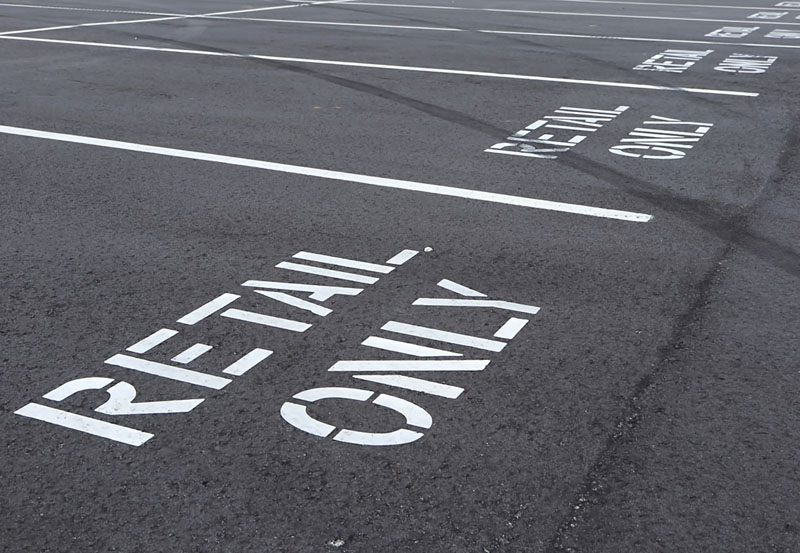
The Best Methods for Sealcoating and Striping a Commercial Parking Lot
A commercial parking lot is often the first thing customers, tenants, and visitors notice about a property. Cracked pavement, faded parking lines, and worn asphalt can create a negative first impression and even present safety concerns. Proper sealcoating and striping not only improve curb appeal but also protect your investment, increase safety, and extend the life of your pavement.
Whether you manage a retail plaza, office building, industrial facility, apartment complex, or hospitality property, understanding the best methods for sealcoating and striping can help ensure long-lasting results.
Why Sealcoating and Striping Matter
Commercial parking lots endure constant wear from vehicle traffic, Florida heat, rain, UV rays, chemicals, oil spills, and heavy equipment. Over time, asphalt begins to oxidize, fade, crack, and deteriorate. Sealcoating acts as a protective barrier, while striping restores organization, safety, and traffic flow.
Benefits of sealcoating and striping include:
- Extending pavement lifespan
- Improving property appearance
- Preventing water penetration and cracking
- Enhancing visibility and traffic organization
- Increasing pedestrian and vehicle safety
- Maintaining ADA compliance
- Reducing long-term repair costs
When done correctly, sealcoating and striping can dramatically improve the performance and aesthetics of a commercial property.
Start With Thorough Surface Preparation
One of the biggest mistakes property owners make is rushing into sealcoating or striping without proper preparation. Surface preparation determines the success of the project.
Before any sealcoat or paint is applied, contractors should:
Clean the Surface Completely
Dirt, debris, oil, sand, and vegetation prevent sealants and paint from bonding correctly. Professional contractors typically use industrial blowers, mechanical sweepers, pressure washing, and oil spot treatment to ensure a clean surface.
Removing contaminants is essential for proper adhesion and durability.
Repair Cracks and Damaged Asphalt
Sealcoating should never be applied over failing pavement.
Cracks must be filled with hot rubberized crack filler, while potholes and damaged sections should be patched before sealcoating begins. Addressing structural issues beforehand helps prevent water infiltration and future pavement failure.
Ignoring cracks before sealcoating simply traps damage beneath the surface and shortens the life of the treatment.
Verify Proper Weather Conditions
Temperature and weather play a major role in project success.
Sealcoating works best when:
- Temperatures are consistently above 50°F
- No rain is expected for at least 24–48 hours
- Humidity is manageable
- Pavement is fully dry
Applying sealcoat during poor weather conditions can lead to peeling, slow curing, or uneven results.
Use High-Quality Commercial Sealcoating Materials
Not all sealcoating products are equal.
Commercial properties benefit most from professional-grade asphalt sealants designed to resist:
- UV damage
- Fuel and oil spills
- Water penetration
- Oxidation
- Heavy traffic wear
Contractors may use coal tar or asphalt emulsion sealers depending on regional requirements, environmental regulations, and traffic demands. Higher-quality materials often provide better durability and a more uniform finish.
Choosing the cheapest material may save money upfront but usually leads to more frequent maintenance and repairs.
Apply Sealcoat Using Proper Techniques
Professional application techniques make a significant difference in appearance and longevity.
Spray and Squeegee Combination Method
One of the most effective methods for commercial parking lots is a spray-and-squeegee application.
This process typically involves:
- Spraying sealcoat for consistent coverage
- Back-brushing or squeegeeing the material into asphalt pores
- Applying uniform coats across the lot
The combination method creates better penetration, improved coverage, and a smoother finished appearance.
Apply Multiple Thin Coats Instead of One Thick Coat
Thicker does not always mean better.
Professionals generally recommend applying two thin coats rather than one heavy coat. Thin applications cure more evenly, bond better, and reduce premature cracking or tracking.
Overapplication can cause peeling, flaking, and extended cure times.
Block Off Traffic During Cure Time
Sealcoat needs time to fully cure.
Allowing vehicles onto freshly sealed pavement too early can cause tire marks, tracking, and surface damage. Commercial property managers should coordinate closures during off-hours or low-traffic periods to minimize disruption.
Most lots require at least 24–48 hours before reopening to vehicle traffic, depending on weather and product type.
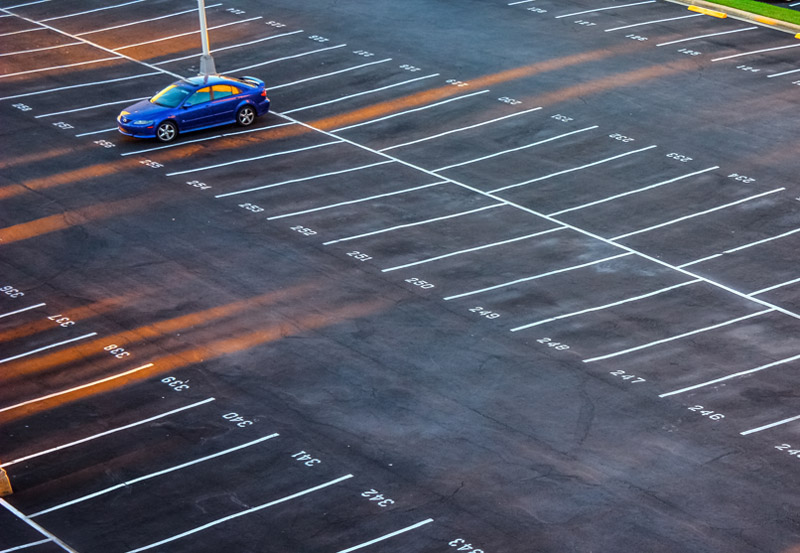
Follow Best Practices for Commercial Parking Lot Striping
Once the sealcoat has cured, striping restores organization and functionality.
Proper striping is not just about appearance—it directly impacts traffic flow, safety, and legal compliance.
Ensure Layout Accuracy
Before painting begins, parking stalls should be carefully measured and laid out.
A professional striping contractor evaluates:
- Parking efficiency
- Traffic flow patterns
- Fire lanes
- Loading zones
- Pedestrian crossings
- Directional arrows
- Entry and exit points
Poor layouts create congestion, wasted space, and driver confusion.
Prioritize ADA Compliance
Commercial parking lots must meet accessibility requirements.
This includes:
- Properly sized accessible parking stalls
- Correct signage placement
- Access aisles
- Appropriate slopes and spacing
Failure to comply with accessibility standards can result in legal issues and costly corrections.
Use High-Durability Traffic Paint
For commercial environments, premium traffic paint matters.
High-quality striping paint provides:
- Better visibility
- Longer wear life
- Greater resistance to weather and tire friction
- Improved nighttime reflectivity
Industrial-grade paints or thermoplastic markings may be ideal for high-traffic facilities.
Include Clear Safety Markings
Parking lot striping should go beyond parking spaces.
Important markings include:
- Stop bars
- Directional arrows
- Crosswalks
- Loading areas
- Fire lane markings
- No parking zones
- Speed control indicators
Clear markings improve organization and reduce accident risks.
Establish a Maintenance Schedule
Sealcoating and striping should not be treated as one-time projects.
A proactive maintenance schedule protects pavement and reduces long-term costs.
General recommendations include:
- Sealcoating every 2–4 years depending on traffic volume
- Re-striping as markings fade
- Crack sealing annually
- Regular inspections for damage or drainage issues
Preventive maintenance is significantly less expensive than full parking lot replacement.
Work With Experienced Commercial Paving Professionals
Commercial sealcoating and striping require expertise, specialized equipment, and careful planning.
An experienced contractor understands:
- Proper asphalt preparation
- Traffic management during projects
- Commercial-grade materials
- ADA requirements
- Drainage concerns
- Long-term maintenance strategies
Working with a qualified commercial paving company ensures the project is completed correctly and minimizes costly future repairs.
Final Thoughts
Sealcoating and striping are among the most cost-effective ways to maintain a commercial parking lot. When performed using proper preparation, high-quality materials, accurate layouts, and professional application methods, these services improve curb appeal, extend pavement life, increase safety, and preserve property value.
For commercial and industrial property owners, investing in routine parking lot maintenance today can prevent major asphalt repairs tomorrow.
Comments are closed